Philip Beard
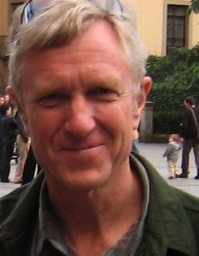
Philip Beard, Ph.D., emeritus professor of German at Sonoma State University, co-designed and from 2000 to 2005 co-coordinated the Global Studies B.A. program there. His interest in complementary economics stems from his extensive study of the roots of violent behavior. Since the early 1990’s, Dr. Beard has collaborated on various projects aiming to design and implement robust, sustainable mutual credit programs at the regional level. The current design, “Sustaining Capital,” forms an important part of the Sonoma County GoLocal Cooperative’s long-term plans. Dr. Beard is a co-founder of GoLocal and serves on the cooperative’s board of directors.
Stories by Philip Beard
Greece, Toxic Debt, and the Euro: Why It Matters to Us. And a Possible Solution to the Crisis.
In case you’d missed it, Greece has now become a third-world country. Unemployment figures are huge and growing. Businesses are failing hand over fist.
Michael Shuman Lifts the Veil on Ingenious Invest-Local Options
YES! Magazine author Michael Shuman describes numerous smart, profitable ways to support our communities by shifting our investments.
Mondragón Talk and Dinner at French Garden, Wed. Nov. 2
Philip Beard and Georgia Kelly report on their recent week-long seminar in Mondragón, center of the renowned Basque cooperatives.
What's a Co-op Anyway? Mondragón Today, v. V
Read more about the workings of the Mondragon Co-operative Corporation and how it's faring in these economic times.
What's a Co-op Anyway? Mondragón Today, v. IV
Read more about the workings of the Mondragon Co-operative Corporation and how it's faring in these economic times.
What's a Co-op Anyway? Mondragón Today, v. III
Read more about the workings of the Mondragon Co-operative Corporation and how it's faring in these economic times.
What's a Co-op Anyway? Mondragón Today, v. II
Read more about the workings of the Mondragon Co-operative Corporation and its 120 member businesses.
What's a Co-op Anyway? Mondragón Today.
What can GoLocal learn from the Mondragon cooperatives? How might we put these lessons to best use?

